Navigating Solar Trade in GCC, Iraq, and Afghanistan
February 14, 2026
Dubai’s Advantage: Why GCC Businesses Choose Maxell Power for Solar Projects
February 25, 2026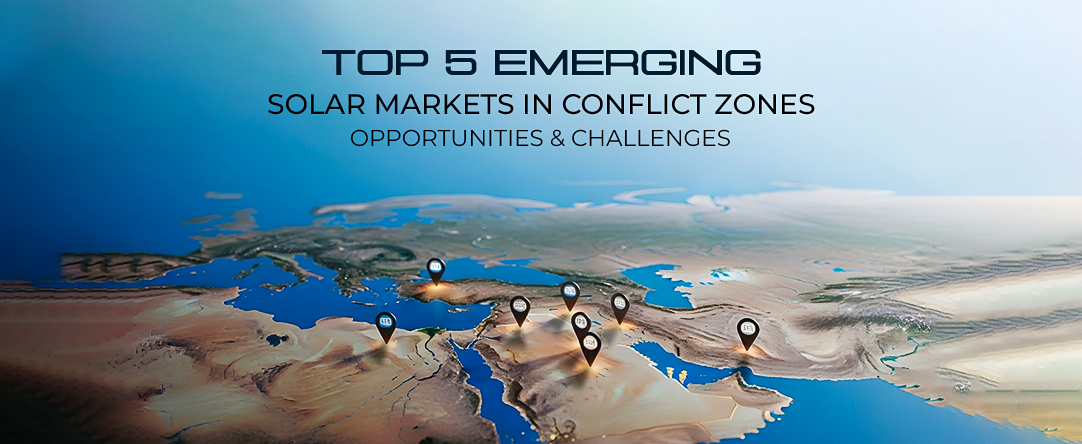
The narrative around solar energy is shifting. Beyond the stable grids of developed nations, a more urgent and complex market is emerging in regions where electricity is not a convenience but a lifeline. For solar companies in the GCC & Africa, looking beyond traditional markets reveals a landscape of immense need and intricate challenges.
Countries like Sudan, Afghanistan, Libya, Iran, and Syria, despite their geopolitical complexities, represent frontier markets where solar and battery storage are no longer just about saving money but about powering hospitals, preserving food, and enabling communication.
The opportunity isn’t in selling luxury; it’s in delivering resilient, decentralized energy solutions where the grid has failed. This requires a fundamentally different approach to product selection, logistics, and partnership.
1. Sudan: The Hybrid Inverter Imperative
Following the ongoing conflict, Sudan’s national grid is fragmented. The demand is for systems that can operate completely off-grid while being ready to integrate with unstable local power when available.
- Key Product: The market is centered on robust hybrid inverters in sudan. These units must seamlessly switch between solar, battery, and any available generator or weak grid source without dropping power to critical loads.
- Opportunity: High demand from NGOs, healthcare facilities, and households for reliable backup. Solar-diesel hybrid mini-grids for community centers are a growing niche.
- Challenge: Severe import restrictions, fluctuating currency, and complex logistics into Port Sudan. Payment security is a major concern for suppliers.
2. Afghanistan: Decentralized Power for a Rugged Landscape
With international aid focused on basic humanitarian needs, energy access is a critical sub-sector. The terrain and lack of centralized infrastructure make solar the default solution for many.
- Key Product: Durable, user-friendly hybrid inverters and lithium-ion batteries in Afghanistan that can work with lead-acid batteries (still more common) and handle extreme temperature variations from summer heat to winter cold.
- Opportunity: Direct contracts with international aid agencies and NGOs implementing projects. There is also a steady demand in urban centers like Kabul for home systems.
- Challenge: Banking sanctions make financial transactions exceedingly difficult. Supply chains are long and require reliable in-country partners for last-mile distribution and installation.
3. Libya: Rebuilding with Solar
As parts of Libya stabilize, there is a concerted effort to rebuild infrastructure. The heavily subsidized and unreliable grid is pushing commercial entities and wealthier households towards self-sufficiency.
- Key Product: High-wattage solar panels in Saudia and neighboring regions often serve as a reference point, but the Libyan market needs Tier-1 panels that balance quality with cost. Anyone importing solar panels to libya must navigate a market eager for premium products but sensitive to price.
- Opportunity: Major demand for large commercial and industrial rooftop systems, especially in coastal cities. The market values branded, quality equipment.
- Challenge: A fragmented regulatory environment with competing authorities. Logistics can be unpredictable, and establishing trust with local partners is paramount.
4. Iran: A Domestic Market Forced into Innovation
Under sanctions and with a growing domestic energy deficit, Iran has developed a sizable internal manufacturing base for solar panels. However, demand for advanced balance-of-system components continues.
- Key Product: Lithium batteries in Iran are a high-growth segment. While local panel production is strong, advanced energy storage technology, particularly LiFePO4 batteries, is in high demand to maximize the utility of solar systems for homes and businesses.
- Opportunity: Partnering with established Iranian energy firms to supply specialized components like high-efficiency inverters and battery management systems that complement local production.
- Challenge: Navigating international sanctions is the primary barrier. All transactions and partnerships require expert legal and financial advisory to ensure compliance.
5. Syria: Incremental Reconstruction and Essential Power
In Syria, reconstruction is piecemeal. Solar adoption is driven by necessity in areas where infrastructure is destroyed and by cost-saving in areas with an existing but expensive and unreliable grid.
- Key Product: The market for solar panels in syria is highly price-sensitive but increasingly quality-aware after years of substandard imports. There is demand for good mid-tier panels and complete kit solutions (panel, inverter, battery) for residential use.
- Opportunity: Supplying bulk materials to NGOs involved in rebuilding schools and clinics. The residential market in relatively stable regions is also active.
- Challenge: Damaged transport infrastructure and complex, shifting frontlines make logistics a high-risk endeavor. The banking system is fragile.
A Strategic Approach for Suppliers
For solar companies in GCC & Africa like Max Power, success in these markets hinges on a pivot from a pure sales model to a partnership and solutions model.
- Product Ruggedization: Equipment must be built for harsh environments—dust, heat, and voltage fluctuations.
- In-Country Partnerships: You cannot operate from afar. Trusted local agents or partners are non-negotiable for logistics, installation support, and after-sales service.
- Flexible & Secure Finance: Creative terms, escrow services, and a deep understanding of regional payment channels are required.
Frequently Asked Questions
What is the most critical factor when choosing products for these markets?
Beyond basic specs, durability and ease of maintenance are paramount. Systems must be simple for local technicians to troubleshoot and repair. This makes reliable brands with clear fault codes and available spare parts, like those supplied by Maxell Power, a safer choice for solar companies in GCC & Africa supplying these regions.
How do you ensure payment security when dealing with high-risk markets?
A mix of advance payments, confirmed letters of credit from reputable regional banks, and using secure third-party escrow services is standard. Building long-term relationships with reliable in-country partners also mitigates financial risk over time.
Can we ship products directly from the UAE to these conflict zones?
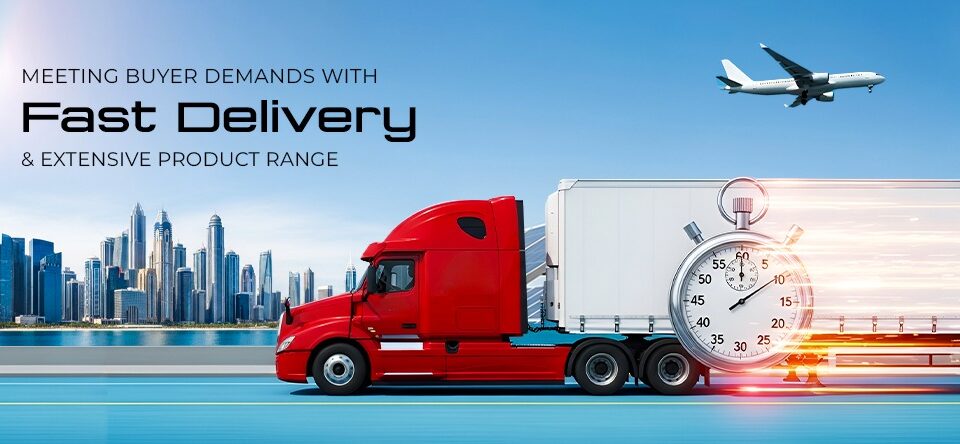
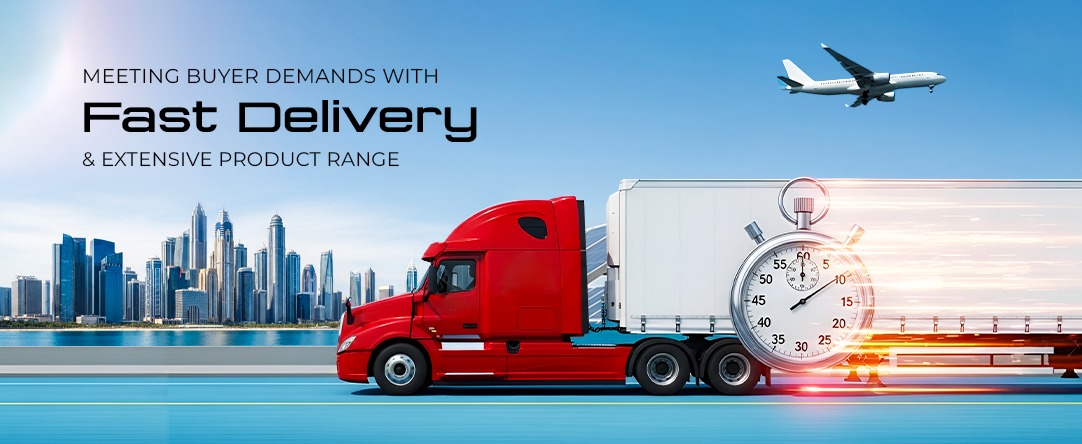
Yes, the UAE, particularly Dubai, is the primary logistics hub. However, each destination has unique customs and documentation requirements. For instance, shipping hybrid inverters in Afghanistan requires precise paperwork to clear transit through Pakistan or Iran. Experience in regional logistics is critical.
Are there any certifications required for solar products in these countries?
Requirements vary. While some have lax standards, NGOs and reputable commercial buyers increasingly demand international certifications (IEC, UL) to ensure quality and safety. Providing these certificates is a key competitive advantage.
What role does energy storage play in these markets compared to solar panels alone?
Storage is often more critical than solar generation itself. Without reliable lithium batteries in Iran or similar storage in other markets, solar power is only available during the day. For essential 24/7 power, the battery-inverter system is the core of the solution, with panels acting as the fuel source.
Is Your Company Ready for Frontier Solar Markets?
These markets are not for the faint of heart, but they represent a profound business and humanitarian opportunity. They test your operational resilience, your product quality, and your commitment to understanding complex realities.
Is your supply chain robust enough to deliver reliable solar solutions where they are needed most? Partner with Maxell Power. We provide the durable, field-tested hybrid inverters, lithium batteries, and solar panels designed for challenging environments, backed by GCC-based logistics expertise. Contact us today to discuss a tailored approach for your operations in Sudan, Libya, Afghanistan, Iran, Syria, and beyond.