Best Inverter + Lithium-Ion Battery Combination for MEA Buyers
March 31, 2026
Lithium-Ion Batteries as Backup Solutions in Iraq & Sudan
April 9, 2026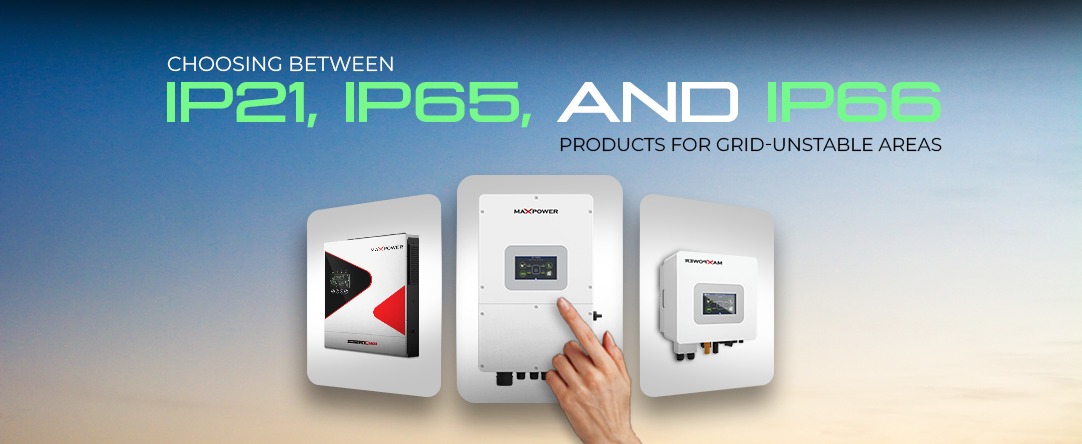
Businesses in regions like the UAE and KSA often face unstable electricity grids, frequent voltage fluctuations, and harsh environmental conditions. Choosing the right IP-rated inverter is critical to maintain reliable power and prevent downtime. According to Gulf News, frequent power disruptions in the UAE and other Gulf countries have highlighted the need for robust, weather-resistant electrical systems for commercial and industrial operations.
IP ratings (Ingress Protection) indicate how well an inverter is protected against dust and water ingress. Selecting the wrong rating can lead to system failures, reduced lifespan, and higher maintenance costs.
Understanding IP21, IP65, and IP66 Ratings
- IP21: Protected against vertical dripping water. Ideal for indoor installations with controlled environments, such as offices or indoor warehouses.
- IP65: Fully protected against dust and low-pressure water jets. Suitable for semi-outdoor installations, including covered rooftop systems or partially exposed warehouses.
- IP66: Dust-tight and resistant to strong water jets. Best for fully outdoor installations exposed to dust, rain, or extreme weather conditions.
Each rating ensures different levels of protection, so matching the IP rating with your environment is essential for longevity and efficiency.
Choosing the Right Inverter for Your Facility
1. Indoor vs Outdoor Environment
- Indoor: IP21 inverters in UAE or KSA suffice for clean, climate-controlled areas.
- Outdoor/Semi-Outdoor: IP65 or IP66 inverters protect against dust, rain, and heat.
2. System Voltage and Load
- Low-voltage inverters in the UAE are ideal for small commercial setups.
- Industrial factories or large warehouses require high-voltage IP65 or IP66 inverters to handle heavy loads efficiently.
3. Grid Instability Considerations
- In areas with frequent outages, hybrid inverters with battery integration are recommended.
- IP65/IP66 models with smart load management ensure continuous power even during grid fluctuations.
4. Maintenance and Durability
- IP66 inverters require minimal maintenance and withstand harsh weather.
- IP21 inverters are easier to maintain but need controlled indoor environments.
- Ensure inverter components are heat-resistant for UAE and KSA climates.
Why IP-Rated Inverters Are Critical for Commercial Solar
Investing in the correct IP-rated inverter ensures:
- Reliable energy output even during dust storms, rain, or humidity
- Reduced downtime and operational interruptions
- Extended inverter lifespan and reduced replacement costs
- Compatibility with hybrid battery systems for backup during outages
Businesses often overlook IP ratings and end up using indoor-rated inverters in semi-outdoor setups, leading to failures and expensive repairs. Proper planning prevents these issues.
Practical Recommendations for UAE & KSA
- IP21 inverters: Best for offices, controlled indoor warehouses, or industrial control rooms.
- IP65 inverters: Ideal for semi-exposed rooftops or partially outdoor warehouses.
- IP66 inverters: Required for exposed rooftops, factories with outdoor equipment, or regions with heavy dust/wind exposure.
Always consider hybrid inverter options for battery backup to ensure continuity in grid-unstable areas.
Frequently Asked Questions
What is the difference between IP21, IP65, and IP66 inverters?
IP21 inverters are designed for indoor use with minimal protection against water. IP65 inverters are dust-tight and protected against low-pressure water, making them suitable for semi-outdoor environments. IP66 inverters offer the highest protection, being fully dust-tight and resistant to strong water jets, ideal for harsh outdoor conditions.
Which IP-rated inverter is best for outdoor commercial solar installations?
For outdoor installations in the UAE and KSA, IP66 inverters are the best choice as they provide maximum protection against dust, heat, and rain. IP65 can work for semi-covered areas, but IP66 ensures long-term durability in extreme environments.
Are IP21 inverters suitable for industrial use in the UAE and KSA?
IP21 inverters can be used in industrial setups only if installed in clean, indoor, and climate-controlled environments. For factories with exposure to dust or heat, higher IP ratings like IP65 or IP66 are recommended.
Do IP-rated inverters support hybrid solar systems with batteries?
Yes, many IP65 and IP66 inverters come with hybrid functionality and can integrate seamlessly with lithium-ion batteries, allowing energy storage and backup during grid outages.
How do IP-rated inverters improve system reliability in grid-unstable areas?
IP-rated inverters protect internal components from environmental damage, reducing the risk of failure. This ensures consistent performance, less downtime, and better efficiency, especially in regions with unstable grids and harsh weather conditions.
Looking for the Right IP-Rated Inverter for Your Business with Maxell Power?
Maxell Power provides a complete range of IP21, IP65, and IP66 inverters suitable for the UAE, KSA, and other Middle East regions. Businesses choosing Maxell Power benefit from:
- Transparent pricing and low-voltage inverter options
- Hybrid inverter models compatible with lithium-ion batteries
- On-site support, installation, and maintenance across major cities
- Proven reliability for heavy commercial loads in challenging environments
Contact Maxell Power to select the right IP-rated inverter for your grid-unstable area. Protect your commercial solar system, ensure operational continuity, and explore hybrid battery integration options.