
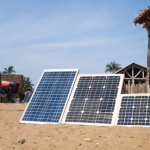
How Solar Energy Can Benefit the African Regions
February 27, 2025
Is Dubai is safe as the Solar Trade Hub for Middle East & Africa
February 10, 2026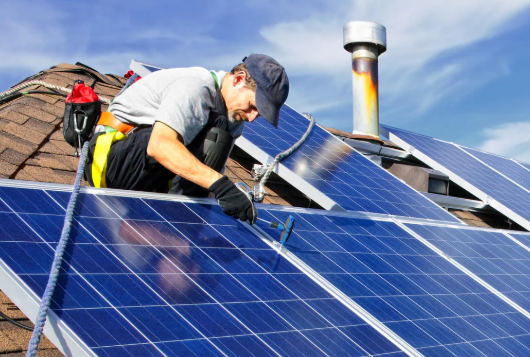
Installing a solar energy system is one of the smartest long-term investments you can make for your home, business, or industrial facility. It provides clean, independent power while dramatically slashing monthly utility bills. However, a solar installation is only as reliable as its weakest component. Every part—from high-efficiency photovoltaic panels and hybrid inverters to long-life lithium battery storage and UV-rated cabling—must work together seamlessly.
In extreme operating environments such as the Middle East and Africa (MEA) region—where summer ambient temperatures exceed 45°C–50°C and airborne dust is constant—standard solar equipment often suffers from thermal power loss or premature hardware degradation. Choosing components specifically engineered for high heat, heavy daily cycles, and severe weather is essential for maximizing return on investment (ROI).
Key Component Checklist for High-Performance Solar Systems
                         ┌─────────────────────────────┐
                         │ Monocrystalline PV Modules  │
                         │ (Bifacial / High Wattage)   │
                         └──────────────┬──────────────┘
                                        │
                                        ▼
┌───────────────────────────┐    ┌─────────────────────────────┐
│ Heavy-Duty Aluminum Rails │───►│ Hybrid 3-Phase Solar        │
│ & Galvanized Structure    │    │ Inverter (IP65/IP66 Rated)  │
└───────────────────────────┘    └──────────────┬──────────────┘
                                                │
                                  ┌─────────────┴─────────────┐
                                  ▼                           ▼
                     ┌──────────────────────────┐    ┌─────────────────┐
                     │ High-Voltage LiFePO4     │    │ Utility Grid /  │
                     │ Battery Storage System   │    │ Net-Metering    │
                     └──────────────────────────┘    └─────────────────┘
Selecting High-Efficiency Solar Panels
Solar panels (photovoltaic modules) absorb sunlight and convert photon energy into direct current (DC) electricity. Because panels sit outdoors on rooftops or open land year-round, selecting heat-resistant, high-grade solar modules is critical.
-
Cell Technology (Monocrystalline vs. Polycrystalline): Monocrystalline PERC and N-Type TOPCon panels offer the highest efficiency (21% to 23%+), making them the preferred choice for residential villas and space-constrained commercial rooftops.
-
Temperature Coefficient: Panel efficiency drops as ambient temperatures rise. Look for a low temperature coefficient (under
-0.35%/°C), ensuring minimal power loss on hot summer days across Dubai, Saudi Arabia, or Pakistan. -
Bifacial Half-Cut Design: Dual-glass bifacial panels capture direct sunlight from the front while absorbing reflected ambient light from the back, increasing total generation yield by up to 10%–25%.
-
Build Quality & Warranty: Ensure your panels feature a minimum 12-year product warranty and a 25- to 30-year linear power output guarantee.
Explore high-output photovoltaic modules designed for severe climate exposure at Maxell Power Solar Technologies.
Choosing the Right Solar Inverter
The solar inverter serves as the central brain of your power setup, converting DC power from your panels into alternating current (AC) electricity for home appliances or industrial machinery.
Primary Inverter Types
-
On-Grid (Grid-Tied) Inverters: Ideal for locations with stable utility grids and net-metering schemes. They sync directly with the grid to lower bills without needing battery backup.
-
Off-Grid Inverters: Designed for remote locations, agricultural sites, or areas without utility grid access, relying entirely on battery storage.
-
Hybrid Solar Inverters: The most versatile option for villas and commercial buildings. Hybrid units (such as the Voltas HYD and Suntronic PV Ultra series) manage solar power, utility grid supply, and battery banks simultaneously.
Crucial Technical Features to Look For
-
Weatherproof Protection (IP Ratings): For outdoor installations, choose IP65 or IP66-rated sealed enclosures to protect sensitive electronics against heavy sand, dust, and moisture ingress.
-
Phase Configuration: Standard homes typically require single-phase units, whereas industrial facilities, factories, and commercial warehouses depend on heavy-duty 3-Phase Hybrid Inverters (ranging from 10kW to 125kW+) to balance heavy motor loads.
-
MPPT Trackers: Multiple Maximum Power Point Trackers (MPPT) allow different roof orientations (East/West splits) to perform at peak output independently.
Check out the full range of climate-ready hybrid and commercial solar inverters at Maxell Power.
Determining the Ideal Energy Storage (Lithium Batteries)
Adding energy storage grants energy security, allowing you to store surplus daytime solar generation and power your property through grid outages or high-tariff evening hours.
| Storage Feature | Outdated Lead-Acid / Gel | Modern LiFePO4 Lithium Storage |
| Cycle Lifespan | 500 – 1,200 cycles (2–3 years) | 6,000+ cycles (10–15 years) |
| Depth of Discharge (DoD) | 50% (Draining further damages cells) | up to 90%–95% usable capacity |
| High Heat Tolerance | Degrades quickly above 30°C | Built-in smart BMS for high thermal safety |
| Maintenance & Size | Heavy, emits gases, requires topping | Compact, wall/rack-mountable, zero maintenance |
When choosing a lithium battery, prioritize Lithium Iron Phosphate (LiFePO4) chemistry due to its thermal stability and fire safety in hot climates. Solutions like the MP-16000 Ultra and HP-5000 High Voltage series integrate seamlessly with hybrid inverters for rapid charging and zero-ms transfer times.
Browse engineered energy storage options on the Maxell Power Lithium Batteries category page.
Heavy-Duty Mounting Structures & Structural Angles
The mounting framework secures your solar panels against heavy wind loads, sandstorms, and thermal expansion.
-
Roof-Mounted Systems: Common for concrete rooftops and corrugated metal sheets. Structures should utilize anodized aluminum or hot-dip galvanized steel to prevent rust and galvanic corrosion.
-
Ground-Mounted Systems: Excellent for agriculture, solar water pumping, or large open land. Ground mounts allow exact tilt-angle alignment to maximize solar exposure throughout the year.
-
Optimal Tilt Angle: In Middle Eastern and South Asian latitudes, mounting panels at an angle between 18° and 25° facing South ensures maximum year-round energy capture and natural dust shed during rainfall.
Selecting UV-Resistant Cabling & Heavy-Duty Connectors
Underrated or low-quality wiring leads to high voltage drops, energy loss, and potential fire hazards.
-
Double-Insulated Solar Cables: Always specify tinned copper solar cables with UV-resistant XLPO jackets designed to withstand operating temperatures up to 90°C–120°C.
-
Proper Gauge Sizing: Using undersized wire thickness over long cable runs causes significant power loss. High-current DC strings demand 4mm² or 6mm² solar cables.
-
IP68 Sealed MC4 Connectors: High-grade MC4 connectors ensure watertight, dustproof junctions between panel strings, preventing short circuits and corrosion.
System Compatibility, Expansion, and Sizing
A common mistake when buying a solar system is ignoring future energy expansion. You may install a 5kW or 10kW residential solar system today, but future additions—such as electric vehicle (EV) chargers, additional air conditioning units, or heat pumps—will increase your load demands.
To future-proof your setup:
-
Select a scalable hybrid inverter that supports parallel connections (e.g., stacking multiple 8kW or 10kW units together).
-
Use modular modular lithium battery racks so you can expand your storage capacity (kWh) without replacing your existing battery bank.
Partnering with a Certified Regional Solar Provider
Procuring components piecemeal from multiple unverified vendors increases the risk of component mismatches and voided warranties. Partnering with a dedicated regional manufacturer and distributor ensures:
-
Complete Ecosystem Compatibility: Inverters, solar panels, and battery management systems (BMS) pre-tested to work together.
-
Local Warranty Support: Swift access to spare parts, local technical assistance, and direct warranty processing.
-
Heat-Tested Engineering: Systems rated specifically for extreme desert conditions.
Frequently Asked Questions
Is a 10 kW solar system sufficient for a medium-sized villa or commercial shop?
Yes, a 10 kW solar setup generates roughly 40–50 kWh of electricity per day (depending on regional peak sun hours). This is typically sufficient to offset the daily consumption of a standard 3 to 4-bedroom villa or small commercial facility.
What is the difference between IP21, IP65, and IP66 inverters?
IP ratings indicate protection against dust and moisture. IP21 is suitable only for indoor control rooms. IP65 offers complete dust tightness and low-pressure water resistance for outdoor wall mounting. IP66 provides maximum protection against high-pressure water jets and extreme dust environments.
Do I need batteries for an on-grid solar installation?
No, pure on-grid systems export excess daytime power back to the electrical grid via net-metering. However, adding a hybrid inverter with a lithium battery provides backup power during load-shedding and allows you to store free solar power for nighttime use.
How long do lithium solar batteries last in hot climates?
High-grade LiFePO4 (Lithium Iron Phosphate) batteries equipped with smart Battery Management Systems (BMS) last 10 to 15 years (6,000+ deep discharge cycles) even in ambient temperatures up to 50°C.
Ready to upgrade your property with a reliable, climate-tested solar setup? Contact Maxell Power today for technical sizing guidance, product datasheets, and custom quotes tailored to your energy needs.
