
How Solar Power Can Increase Business Profit Margins: A Complete Guide
September 20, 2026
Low-Cost Solar Inverter with High Performance The Ultimate Maxell Power Guide
October 2, 2026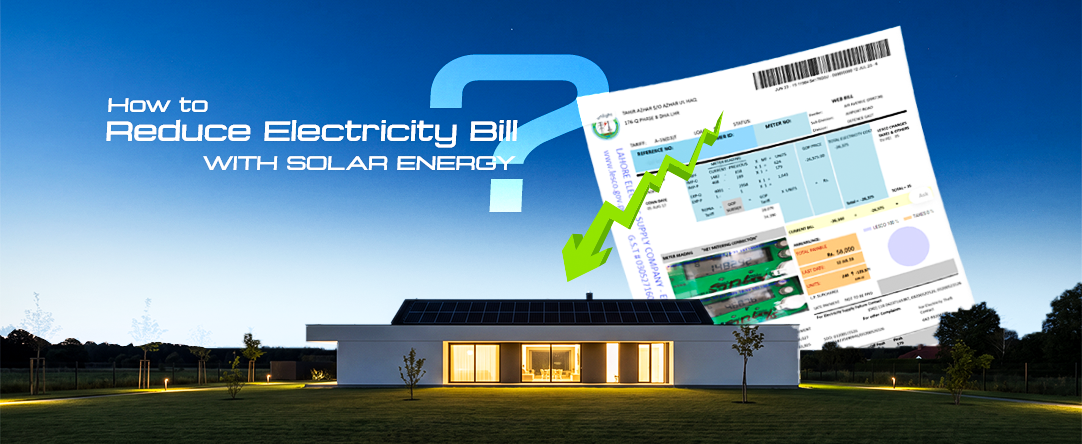
Rising electricity prices have made energy costs a major concern for homeowners and businesses. From running air conditioning systems during extreme summer temperatures to powering commercial equipment, dependence on grid electricity can significantly increase monthly expenses and operating costs.
Solar energy provides a practical way to reduce electricity bills while improving long-term energy independence. By generating electricity on-site, a solar system can reduce the amount of power you need to purchase from the utility grid.
In this guide, we’ll explain how solar energy can lower electricity costs, how net metering works, why battery storage can increase savings, and which factors have the biggest impact on your solar system’s return on investment (ROI).
1. Reduce Grid Consumption Through Solar Self-Consumption
One of the simplest ways solar energy reduces your electricity bill is through self-consumption.
Solar panels generate electricity during daylight hours. A solar inverter converts the electricity produced by the panels into usable AC power for your home or business.
Instead of purchasing all of your electricity from the utility company, you can use solar-generated electricity to power your appliances and equipment directly.
Key benefits of solar self-consumption include:
- Lower daytime electricity consumption: Run air conditioners, pumps, refrigeration units, computers, and other equipment using solar-generated power.
- Reduced grid dependence: Every unit of solar electricity used on-site reduces the amount of electricity purchased from the grid.
- Better energy cost control: Generating part of your electricity can protect your household or business from future increases in utility prices.
- Improved solar utilization: Using solar electricity while it is being generated can maximize the financial value of your solar system.
For properties with significant daytime electricity consumption, properly sized solar panels can provide substantial reductions in monthly utility costs.
Explore the Maxell Power Solar Panels range for high-performance solar solutions designed for residential and commercial applications.
2. Use Net Metering to Benefit From Excess Solar Generation
A properly designed grid-connected solar system may produce more electricity than your property needs during certain periods of the day.
Depending on your local utility regulations and available programs, excess electricity can be exported to the grid through a bidirectional meter.
This arrangement is commonly associated with net metering or net billing, although the exact credit mechanism varies by country and utility provider.
How the process works:
- Solar panels generate electricity during daylight hours.
- Your property uses the solar electricity it needs first.
- Excess generation may be exported to the utility grid.
- The exported electricity is recorded by the approved meter.
- Applicable credits or financial adjustments are then reflected according to the utility’s current regulations.
Net metering can make a solar investment more financially attractive, particularly for properties that generate significant excess electricity during the daytime.
Important: Net metering policies, export rates, eligibility requirements, and billing mechanisms can change. Always confirm the current rules with your local electricity provider before calculating your expected savings.
3. Reduce Peak Electricity Costs With Battery Storage
Solar panels generate electricity primarily during daylight hours, but many homes and businesses continue to consume significant amounts of electricity after sunset.
This is where battery energy storage can add significant value.
A solar battery stores surplus electricity generated during the day and makes that energy available when solar production falls.
Battery storage can help with:
- Peak-hour energy consumption
- Evening electricity demand
- Reducing grid dependence
- Backup power during outages
- Increasing solar self-consumption
For example, a business may generate more solar electricity than it needs at midday but experience its highest electricity consumption in the evening. Instead of exporting all the excess electricity and purchasing power later, a battery can store part of the surplus for later use.
This approach can improve the overall utilization of your solar system and provide greater energy independence.
For accurate system planning, battery capacity should be calculated according to your daily energy consumption, critical loads, backup requirements, inverter capacity, and desired backup duration.
4. Choose the Right Solar System Size
Installing more solar capacity does not automatically mean greater savings.
A properly sized system should be based on your actual electricity consumption, available installation space, solar resource, future energy requirements, and applicable utility regulations.
Before installing solar panels, analyze:
- Monthly electricity consumption
- Average daily energy usage
- Daytime vs. nighttime consumption
- Peak electricity demand
- Available roof or ground area
- Local solar irradiation
- Inverter capacity
- Battery requirements
- Future electricity consumption
Why correct sizing matters
An undersized system may leave you heavily dependent on grid electricity.
An oversized system, meanwhile, may increase upfront costs without providing proportional financial benefits, particularly where exported electricity receives limited compensation.
A professional load assessment can help determine the most appropriate solar capacity for your property.
5. Select Solar Equipment Suitable for Your Climate
Local environmental conditions have a major impact on solar system performance.
Solar panels operate in outdoor environments where they are exposed to heat, dust, humidity, pollution, and changing weather conditions.
When selecting solar equipment, consider technologies designed to maintain reliable performance under your local operating conditions.
Look for:
- High-efficiency solar panels
- Reliable temperature performance
- Quality solar cells
- Durable panel construction
- Efficient MPPT technology
- High-quality inverters
- Appropriate protection ratings
- Reliable battery technology where storage is required
For hot regions such as the Middle East and South Asia, choosing equipment with suitable temperature coefficients and robust construction can help maintain system performance during periods of high ambient temperatures.
Explore the Maxell Power Solar Products range for residential and commercial solar applications.
6. Choose a High-Efficiency Solar Inverter
The solar inverter is one of the most important components of a photovoltaic system.
It converts the DC electricity generated by solar panels into AC electricity that can be used by your property.
A suitable inverter can help maximize energy conversion, manage solar production, and integrate batteries where required.
When selecting an inverter, consider:
- Conversion efficiency
- Maximum PV input capacity
- MPPT voltage range
- Battery compatibility
- Backup functionality
- Protection features
- Monitoring capabilities
- Warranty and after-sales support
For homes and businesses looking for greater flexibility, a hybrid solar inverter can combine solar generation, battery storage, and grid electricity within one energy management system.
7. Keep Your Solar Panels Clean and Properly Positioned
Solar panels need direct access to sunlight to operate efficiently.
Dust, dirt, bird droppings, pollution, and other surface contamination can reduce the amount of sunlight reaching the solar cells and lower energy production.
Regular inspection and cleaning can therefore help maintain system performance, particularly in dusty or polluted environments.
Other factors to consider include:
- Correct panel orientation
- Appropriate tilt angle
- Avoiding unnecessary shading
- Keeping surrounding trees properly maintained
- Checking cables and connections
- Monitoring inverter performance
- Inspecting the system periodically
The optimal panel angle depends on the property’s geographical location and the system’s design objectives. A qualified installer can determine the appropriate orientation and tilt for your site.
8. Solar Energy ROI: Understanding Your Potential Savings
Solar is a long-term investment, so it is important to evaluate the financial return rather than focusing only on the initial installation cost.
Your potential savings depend on several factors, including:
- Solar system size
- Electricity tariff
- Annual electricity consumption
- Solar generation
- Self-consumption rate
- Export compensation
- Battery storage capacity
- Installation cost
- Maintenance expenses
- Financing costs
- Local solar incentives and regulations
A useful starting point is to compare your current annual electricity expenditure with the expected annual electricity cost after installing solar.
Example
Suppose a business spends a significant amount on electricity every month.
A properly designed solar system could generate a substantial portion of its annual electricity requirements. If the system reduces grid purchases while maintaining reliable power availability, the business can potentially redirect part of its previous electricity expenditure toward recovering the solar investment.
The actual payback period should always be calculated using site-specific consumption data, current electricity tariffs, system costs, and expected solar production rather than relying on a generic industry estimate.
Solar Energy Savings Comparison
The following example illustrates how increasing solar self-consumption and adding battery storage can reduce dependence on grid electricity.
| Metric | Grid-Only System | Grid-Tied Solar | Hybrid Solar + Battery |
|---|---|---|---|
| Grid Dependence | Very High | Reduced | Significantly Reduced |
| Daytime Solar Usage | None | Yes | Yes |
| Excess Solar Utilization | None | Export where permitted | Store or export |
| Evening Solar Usage | No | Limited | Yes |
| Backup Capability | No | Usually limited | Yes, depending on system design |
| Peak Grid Consumption | High | Reduced | Potentially much lower |
| Energy Independence | Low | Moderate | High |
Note: Actual savings vary significantly based on electricity tariffs, solar system size, energy consumption patterns, battery capacity, export policies, and site conditions.
For businesses, reducing electricity expenses can also improve operating margins and make energy costs more predictable over the long term.
Frequently Asked Questions
How much can solar panels reduce my electricity bill?
The amount you can save depends on your solar system size, electricity consumption, utility tariff, solar generation, and whether excess electricity can be exported to the grid.
A properly designed system can significantly reduce grid electricity consumption, but actual savings should be calculated using your property’s specific energy data.
Can solar completely eliminate my electricity bill?
Not necessarily. Even with a large solar system, you may still have grid connection charges, taxes, fixed fees, or electricity consumption during periods when solar generation is unavailable.
Battery storage and appropriate system sizing can further reduce grid dependence.
Is solar energy worth it for businesses?
Solar can be particularly attractive for businesses with high and consistent daytime electricity consumption.
Commercial properties such as offices, factories, warehouses, retail stores, and other facilities may benefit from using solar electricity directly instead of purchasing the same energy from the grid.
Do solar panels work on cloudy days?
Yes. Solar panels can continue generating electricity under cloudy conditions because they can capture available diffuse sunlight. However, electricity production is generally lower than on clear, sunny days.
Actual output depends on cloud coverage, panel technology, weather conditions, and the intensity of available sunlight.
What type of battery is best for solar energy storage?
Lithium iron phosphate (LiFePO4) batteries are widely used in modern solar storage systems because of their long cycle life, thermal stability, and suitability for frequent charging and discharging.
However, battery selection should be based on your energy requirements, inverter compatibility, backup needs, budget, and installation conditions.
Explore the Maxell Power LiFePO4 Battery range for solar energy storage solutions.
How do I calculate the right solar system size?
Start by reviewing your electricity bills and determining your average monthly and daily energy consumption in kWh.
A professional solar assessment should then consider your load profile, available installation area, solar irradiation, shading, inverter capacity, and future energy requirements.
How can I get a customized solar system recommendation?
A professional solar provider can perform a load assessment and recommend an appropriate combination of solar panels, inverter, battery storage, and other components based on your electricity consumption and energy goals.
Contact the Maxell Power team for customized solar system guidance and technical assistance.
Take Control of Your Energy Costs With Solar
Reducing electricity costs with solar energy is more than simply installing solar panels. The best results come from proper system sizing, efficient equipment, smart energy consumption, effective maintenance, and—where appropriate—battery storage.
Whether you are a homeowner looking to reduce monthly electricity expenses or a business seeking better control over operating costs, solar energy can provide a practical path toward greater energy independence.
Ready to reduce your electricity costs with solar energy?
Explore Maxell Power’s solar panels, hybrid inverters, and LiFePO4 battery solutions, or contact the Maxell Power team for a customized system assessment based on your property’s energy requirements.
