
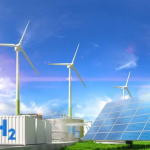
The Future of Solar Energy in the UAE Trends, Innovations & Smart Solutions
January 30, 2025
Why Choose Maxell Power Solar Panels for Your Home or Business?
January 30, 2025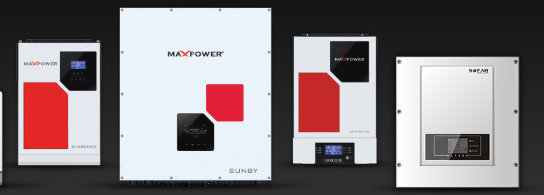
In recent years, the United Arab Emirates (UAE) has become a global leader in embracing renewable energy solutions, with solar power playing a key role in the country’s sustainable future. One of the most impactful innovations in the clean energy space is the development of hybrid solar inverters. These intelligent devices are transforming energy usage across the UAE, delivering unparalleled flexibility, backup efficiency, and cost savings for both homeowners and businesses.
What Are Hybrid Solar Inverters?
A hybrid solar inverter combines the functionality of a traditional solar inverter with an integrated battery storage system. Unlike standard grid-tied inverters that shut down during power grid failures or off-grid units that operate independently, hybrid inverters can manage energy inputs simultaneously from solar panels, storage batteries, and the utility grid.
In the UAE, where power demands spike—especially during peak summer months—hybrid inverters allow users to store excess solar energy harvested during the day and consume it when grid tariffs are high or during overcast conditions.
Key Benefits of Hybrid Solar Inverters in the UAE
1. Enhanced Energy Independence
Traditional setups depend heavily on continuous grid supply. With a hybrid system, stored solar energy powers appliances during nighttime or grid disruptions, providing peace of mind and reducing dependency on fossil-fuel power sources.
2. Significant Reduction in Electricity Bills
Energy costs can rise sharply due to air conditioning and heavy appliance usage. By utilizing stored battery energy during peak tariff hours, hybrid inverters minimize reliance on grid power, resulting in substantial utility savings.
3. Smart Grid & On-Grid Integration
Hybrid solar inverters seamlessly integrate with on-grid infrastructure. Excess power generated during peak sunlight hours can either recharge battery banks or be fed back into the grid via net metering schemes, earning energy credits.
4. Direct Environmental Impact
Switching to solar power combined with battery storage drastically cuts carbon emissions ($CO_2$), supporting national sustainability initiatives and creating a greener footprint.
Exploring Maxpower’s High-Performance Hybrid Inverters
To maximize energy efficiency, choosing the right inverter for your load requirements is essential. Maxpower offers a comprehensive range of advanced hybrid solutions designed for extreme climates and heavy performance demands:
-
Compact & Residential Hybrid Series: Models like the PV Tech 1200 (1.2 kW, 12V system) and the PV Tech 5000 / 6000 series offer high MPPT efficiency, fast 10 ms transfer times, and full support for both Lithium-ion and Lead-acid batteries.
-
Commercial & Heavy-Duty Series: High-capacity single-phase and three-phase models—such as the Voltas HYD Series (6kW to 20kW)—come with IP65/IP66 weatherproof protection, smart app monitoring, and multi-mode energy management.
How Hybrid Solar Inverters Work
A hybrid solar system intelligently routes electricity based on real-time generation and demand:
-
Daytime Harvesting: Solar panels capture energy to power current household loads. Any extra power is directed to recharge the connected battery bank.
-
Nighttime / Backup Power: When solar production stops, the inverter draws energy from the battery bank to keep appliances running smoothly.
-
Grid Support & Net-Metering: If batteries are fully charged, surplus electricity can be exported to the main grid. If batteries run low, the system draws minimal grid power as needed.
Understanding Hybrid Solar Inverter Investment & ROI
While initial setup costs for hybrid systems can be higher than standard on-grid setups due to battery storage integration, the long-term Return on Investment (ROI) is far higher. Lower electricity bills, protection against grid rate hikes, and battery longevity ensure that hybrid inverters pay for themselves over time.
Ready to upgrade your energy infrastructure? Explore Maxpower Hybrid Solar Inverters and Contact Us Today for tailored renewable solutions!
Frequently Asked Questions
What is the difference between an off-grid inverter and a hybrid solar inverter?
An off-grid inverter operates entirely independently of the power grid, requiring battery storage at all times. A hybrid solar inverter connects to both battery storage and the utility grid, allowing you to switch between solar, battery, and grid power automatically based on efficiency and cost.
Can Maxpower hybrid inverters run without a battery connected?
Yes, selected Maxpower hybrid models feature advanced PV-direct technology that allows them to power connected loads directly from solar panel output during the daytime even if a battery is not installed.
Which battery types work best with Maxpower hybrid inverters?
Maxpower hybrid inverters feature flexible charging profiles compatible with both advanced Lithium-ion (LiFePO4) battery banks (like the MP-1200 / Alpha series) and traditional flooded or tubular lead-acid batteries.
Are hybrid solar inverters durable enough for hot desert climates?
Yes. Maxpower inverters are engineered with robust thermal management and wide operating temperature ranges (up to 60°C), alongside IP65/IP66 ingress protection ratings on heavy-duty series to withstand dust, heat, and moisture.
How does a hybrid inverter protect household appliances during grid failures?
When the main power grid fails, the hybrid inverter switches to battery backup in less than 10 to 20 milliseconds. This ultra-fast transfer time ensures computers, refrigerators, and sensitive electronic equipment continue running without interruption.
