

How to Choose the Right Solar System Size for Your Home in the Middle East and Africa
July 15, 2026
Why 1–6 kW Solar Systems Are the Most Popular Choice for African Homes
July 27, 2026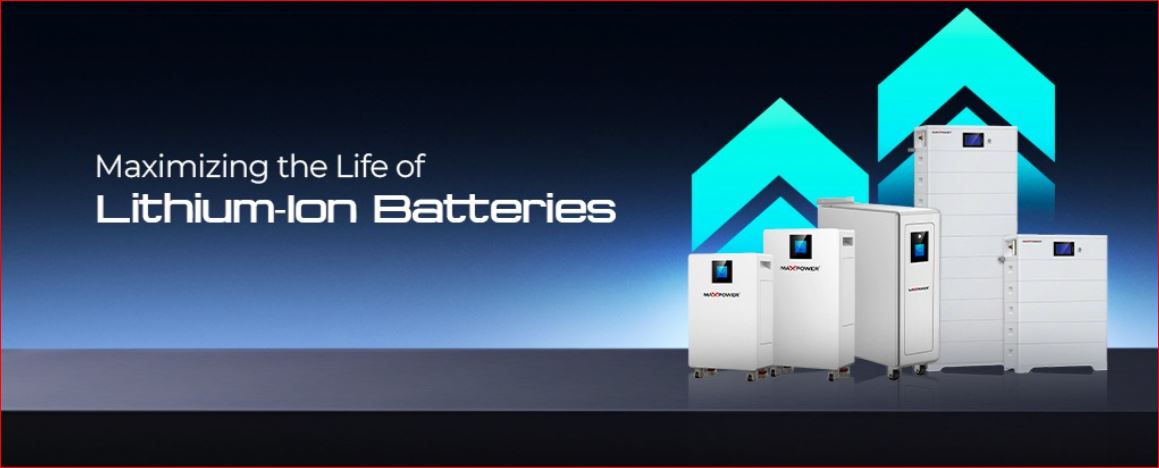
A lithium-ion battery rated at 8,000 cycles theoretically lasts 21 years at one cycle per day. In the real operating conditions of the Middle East and Africa, that theoretical figure is achievable only when the battery is installed, configured, and managed correctly. In markets where ambient temperatures regularly exceed 45°C, where daily deep cycling is the norm rather than the exception, and where maintenance routines are often informal, batteries consistently underperform their rated life not because the product is inadequate but because the conditions around it are not managed.
This guide covers every practical step that MEA solar system owners and installers can take to extract the maximum service life from lithium-ion batteries, written specifically for the Gulf and African operating environments.
The Three Factors That Most Shorten Battery Life in MEA
Before covering specific practices, understanding the three root causes of premature lithium battery degradation in MEA conditions establishes the logic behind every recommendation that follows.
- Temperature: Lithium cell aging is thermally activated. The rate of calendar aging roughly doubles for every 10°C above 25°C. A battery installed in a utility room that reaches 50°C in a Gulf summer is aging at eight times the rate of the same battery at 25°C. This is the single most impactful factor in MEA battery longevity, and it is manageable through installation environment decisions.
- Incorrect charge profile: LiFePO₄ batteries require specific charge voltage parameters. An inverter configured for lead-acid defaults applies a higher absorption voltage than LiFePO₄ cells can safely sustain, causing chronic electrolyte stress that degrades capacity silently. Many premature battery failures in MEA solar installations are caused by this configuration error, not by cell quality.
- Chronic deep discharge: Regularly cycling the battery to its BMS protection cutoff creates more cell stress per cycle than cycling to 20% state of charge. In MEA markets with extended daily outage windows, undersized battery banks that reach BMS cutoff every evening accumulate this stress rapidly.
Managing Installation Temperature
For Gulf installations in the UAE, Saudi Arabia, Kuwait, Qatar, and Oman, where summer ambient temperatures exceed 45°C, the installation environment directly determines effective battery lifespan. LiFePO4 cells from Maxell Power’s lithium battery range are rated for operation at elevated temperatures, but operating at the top of the rated range continuously accelerates aging compared to operating at 25°C to 35°C.
Practical measures for GCC installations:
- Install the battery bank in an air-conditioned indoor space where possible. Even maintaining 30°C rather than 45°C meaningfully extends lifespan
- If air conditioning the battery space is not practical, ensure active ventilation with a circulation fan to reduce the difference between ambient outdoor and battery compartment temperature
- Orient the battery bank away from any wall that receives direct western or southern sun exposure during afternoon hours, when radiant heat through walls is at its peak
- Do not position the battery bank adjacent to the inverter’s hot air exhaust. The inverter’s own heat output should be vented away from the battery location
For African tropical installations with high humidity in coastal West Africa, East Africa, and Central Africa, moisture management is as important as temperature. LiFePO4 batteries should be installed in enclosed spaces with controlled humidity. Condensation on battery enclosures accelerates terminal corrosion and affects BMS connectivity.
Configuring the Inverter Correctly From Day One
The most important technical step in extending battery life is ensuring the inverter’s battery charge profile is correctly set for LiFePO4 from the moment the system is commissioned. This applies whether the system is a new installation or an existing installation that has had its battery bank upgraded from lead-acid to lithium.
For a 48V LiFePO4 system, the correct inverter settings are:
- Battery type: LiFePO₄ or Lithium (not Lead-acid, GEL, or AGM)
- Bulk/Absorption voltage: 58.4V
- Float voltage: 53.6V
- Low voltage cutoff: as specified by the battery manufacturer, typically 44V to 48V for 48V systems
- Charge current: within the battery’s maximum rated charge current
If your system was installed by a third party and you are unsure whether the settings are correct, check the inverter’s battery configuration menu. If the voltage figures differ from the above, update them.
Operating at the Right Depth of Discharge
LiFePO₄ batteries have flat discharge voltage curves that make state of charge measurement by voltage alone difficult. This is why BMS communication with the inverter matters — the BMS tracks actual charge state rather than estimating it from voltage readings.
For maximum lifespan, avoid operating the battery below 20% state of charge on a routine basis. Occasional deep cycles are manageable and are not damaging in isolation. Daily deep cycling to BMS cutoff each evening indicates an undersized battery bank for the actual load. The solution is increasing battery capacity, not adjusting the discharge depth cutoff to a level that leaves the load unsupported earlier in the evening.
MEA solar buyers who regularly run to BMS cutoff should review their battery bank size against their actual nightly load using the backup time calculation: usable kWh divided by load kW equals backup hours. If this figure falls short of the local outage window duration, the battery requires upsizing.
Monitoring as a Maintenance Practice
Maxell Power’s lithium batteries include built-in Bluetooth and WiFi monitoring that provides real-time state of charge, charge and discharge current, cell temperature, and cumulative cycle count. For MEA installations where ambient conditions are more stressful than temperate markets, active monitoring is not optional. It is the practice that allows early identification of performance changes before they become failures.
Establish a monthly review habit:
- Compare current morning state of charge (after overnight discharge and before solar generation resumes) against the figure from three months prior. A consistent decline indicates capacity fade
- Check the battery temperature reading during peak afternoon hours. A reading consistently above 40°C warrants investigation of the installation environment
- Review the cumulative cycle count to understand where the battery is in its rated lifecycle
Read more solar industry insights and maintenance guidance on the Maxell Power blog.
Storage State of Charge for Seasonal Systems
MEA properties, including holiday homes in the UAE, seasonal agricultural facilities in Africa, and commercial properties with extended closure periods need their battery banks stored at the correct state of charge. Leaving LiFePO₄ batteries at 100% charge for months without cycling causes cathode stress that reduces long-term capacity. Leaving them fully discharged risks cell damage from deep over-discharge during the storage period.
Store at 40% to 60% state of charge. Configure the inverter to reach and hold this level before the property is vacated. Disconnect the battery from the inverter if storage extends beyond three months to prevent slow self-discharge from the inverter’s standby draw from taking the battery to an unsafe low state of charge.
Frequently Asked Questions
How long should a quality lithium battery last in Gulf climate conditions?
A quality LiFePO4 battery rated at 8,000 cycles, correctly installed in a ventilated indoor space and operating between 25°C and 40°C, realistically delivers 12 to 15 years of daily cycling before significant capacity reduction in Gulf conditions. Installations in poorly ventilated spaces regularly exceeding 45°C should expect a shorter effective lifespan of 8 to 12 years.
Does daily load shedding cycling damage LiFePO4 batteries faster than occasional use?
Not inherently. LiFePO₄ batteries are designed for daily deep cycling, and their cycle life rating is based on daily cycling at 80% depth of discharge. What shortens life is daily cycling combined with elevated temperature, incorrect charge settings, or regular deep discharge to BMS cutoff. Correct installation and configuration allow daily cycling for the full rated cycle count.
What is the most important maintenance step for lithium batteries in African tropical climates?
Moisture management is the highest priority in high-humidity African coastal environments. Ensure the battery installation space is enclosed with controlled humidity, terminal connections are checked annually for corrosion, and any condensation evidence in the battery compartment is addressed immediately. LiFePO₄ chemistry is safe, but BMS electronics and terminal connections are susceptible to corrosion accelerated by sustained humidity exposure.
Can I extend lithium battery life by setting a lower discharge depth in the inverter?
Yes. Configuring the inverter’s battery discharge depth to 70% rather than 80% reduces cell stress per cycle and can extend the battery’s effective cycle count beyond the rated figure. The trade-off is less usable backup energy per cycle. For MEA buyers with outage windows shorter than their battery’s maximum coverage time, this is a worthwhile longevity optimization.
How do I monitor my Maxell Power lithium battery health over time?
Maxell Power’s lithium batteries include built-in Bluetooth and WiFi monitoring. Connect through the companion app to track state of charge, temperature, charge and discharge current, and cumulative cycle count in real time. Monthly reviews comparing current performance figures against the baseline established at commissioning give early warning of any capacity change.
Are Your Lithium Batteries Being Managed for Maximum Lifespan or Just Operating?
The gap between a battery that reaches its rated cycle count and one that falls short is almost always explained by installation environment, inverter settings, and monitoring habits rather than by product quality. Every step in this guide is within a system owner’s control and costs nothing to implement after installation.
Explore Maxell Power’s lithium battery range and contact the team for installation guidance, setting verification, or to discuss the right battery specification for your MEA solar project.
