Growatt vs Maxell Power: Affordable Residential and Trade Solar Options Across Africa and the Middle East
May 25, 2026
Complete Solar Product Ranges for Trade and Residential Needs Across MEA
June 17, 2026Top Lithium-Ion Battery Options for Trade and Residential Buyers in Africa and the Middle East
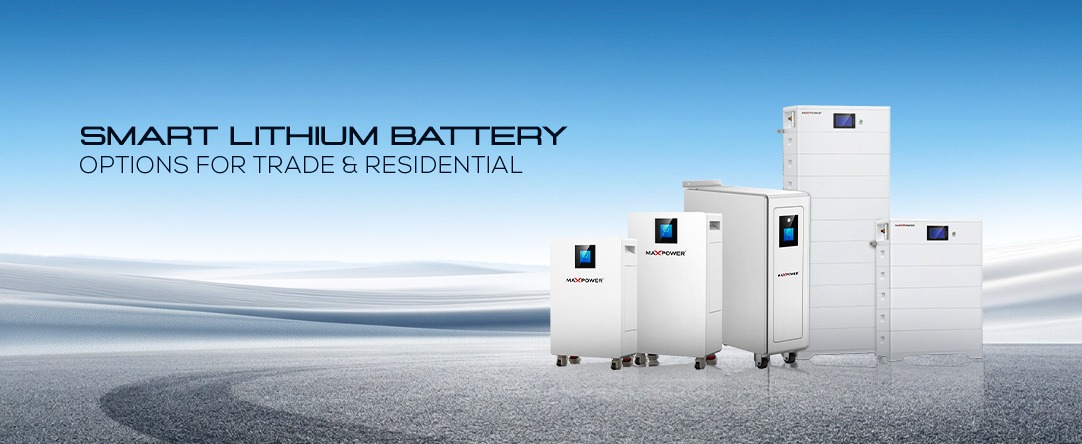
The battery conversation in the MEA solar market has changed fundamentally over the past two years. Lithium-ion was discussed as an emerging technology as recently as 2022. In 2025 and 2026, it is the default recommendation for any solar installation where battery backup matters. The question is no longer whether to choose lithium.
It is which lithium battery to choose, what chemistry and specifications to prioritize for your specific climate and use case, and which supplier gives you the regional support that makes the purchase genuinely safe over a decade of operation.
This matters for two distinct buyer types in the MEA solar market. Residential buyers across the UAE, Kuwait, Oman, Kenya, Ghana, and Nigeria are making household energy decisions with long-term consequences.
Trade buyers sourcing battery stock for multiple residential and commercial installations are making procurement decisions that affect not just their margin, but their reputation with every client whose system they install. The requirements are different, and the right answers are slightly different, though they converge on many of the same fundamental product qualities.
Why LiFePO4 Is the Only Chemistry Worth Discussing for MEA Solar Storage
The MEA Climate Makes Chemistry Selection Non-Negotiable
Lithium-ion covers a family of battery chemistries. For residential and commercial solar storage in the MEA region, LiFePO₄ (Lithium Iron Phosphate) is the chemistry that matters. The reason is thermal stability.
Gulf summer temperatures regularly exceed 45°C outdoors, and in poorly ventilated installation spaces, ambient temperatures around electrical equipment can run significantly higher. NMC and NCA lithium-ion chemistries, used in consumer electronics and some lower-cost solar batteries, have thermal runaway risks that become more pronounced at elevated temperatures.
LiFePO4 chemistry is inherently thermally stable. It does not experience the exothermic chain reaction that characterizes thermal runaway in other lithium chemistries, even under sustained high-temperature exposure.
For a residential buyer in Muscat or Dubai installing a battery in an outdoor-adjacent utility space, or a trade buyer supplying batteries for installations across sub-Saharan Africa where summer temperatures in West Africa consistently hit 38 to 42°C, this distinction is not a technical specification detail. It is a safety and reliability foundation.
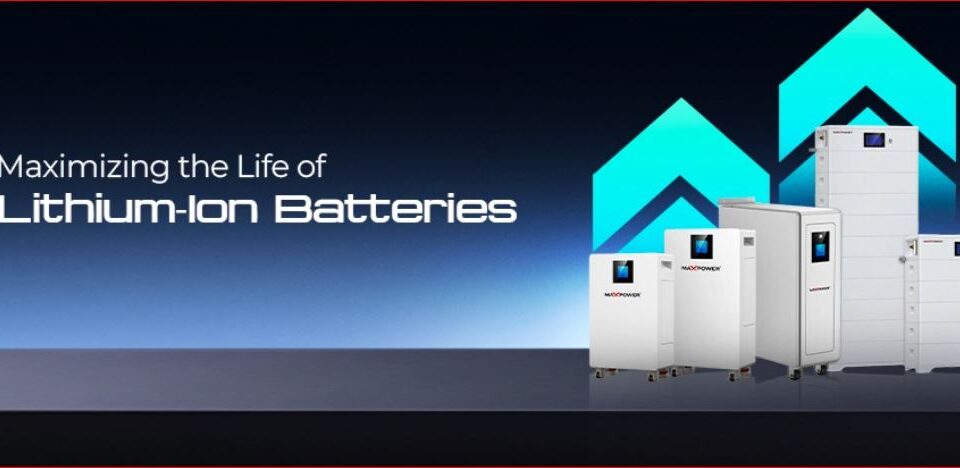
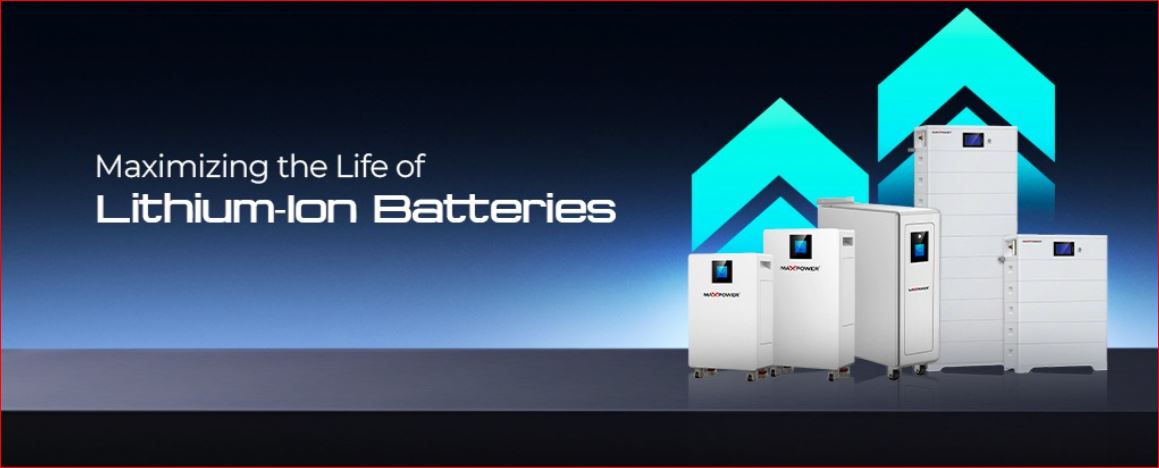
Maxell Power’s lithium battery range, including the MP-16000 and MP-32000 Ultra series, is built on LiFePO4 chemistry. Every product in the range is specified and tested for the operating temperature conditions that MEA installations actually face, not the temperate climate conditions that most battery cycle life ratings are measured under.
What Trade Buyers Need From a Lithium Battery Product
Consistency, Documentation, and After-Sales That Actually Works
Trade buyers sourcing lithium batteries for multiple residential and commercial projects have a core requirement that individual buyers do not: every unit in the batch needs to perform the same way. A brand name does not guarantee product consistency across a supply order. It is guaranteed by a supplier with genuine quality control visibility into the products they sell and accountability for what they ship.
Maxell Power’s position as a Dubai Jebel Ali Free Zone-based supplier gives trade buyers a direct relationship with a team that is accountable under UAE commercial law and reachable during GCC and African business hours. For trade buyers in Kenya, Nigeria, Oman, or Kuwait, this is a meaningful difference from sourcing through extended distribution chains where warranty claims involve multiple intermediary parties.
Lithium battery certification documentation is also a legitimate procurement requirement for many commercial projects. Maxell Power provides the technical documentation and certification records that professional project documentation demands. This is not universally true of all battery suppliers active in MEA markets.
For trade buyers, the Maxell Power product catalogue provides the full technical specification range for lithium battery options, including capacity, voltage, BMS specifications, cycle life ratings, and operating temperature ranges. This is the starting point for a trade procurement conversation.
What Residential Buyers Need From a Lithium Battery in MEA
The Three Questions That Actually Determine Long-Term Value
For a residential buyer in the UAE, Kuwait, Kenya, or elsewhere in the MEA region considering a lithium battery as part of a home solar system, three questions determine whether the purchase delivers the expected value over its service life.
The first question is cycle life. A quality LiFePO4 battery should deliver a minimum of 3,000 cycles at 80% depth of discharge, with better units reaching 5,000 to 6,000 cycles.
At one cycle per day, 3,000 cycles is over eight years of daily backup use. A battery claiming higher capacity at a significantly lower price than the market without supporting cycle life documentation is a red flag.
The second question is BMS quality. The battery management system inside the battery is what prevents overcharge, deep discharge, and temperature damage. A well-engineered BMS communicates with your inverter, monitors individual cell health, and protects the battery under edge conditions.
A minimal BMS allows the battery to operate but provides none of this protection or communication. The difference is not visible from the outside of the product.
The third question is local support. A lithium battery warranty is only as valuable as the supplier’s ability and willingness to honor it.
For residential buyers in MEA markets, choosing a battery from a supplier with a local office and direct support capability is the only way to make a warranty meaningful. Maxell Power’s Dubai presence provides this for buyers across the GCC, and its distribution reach extends to major African markets through established logistics channels.
Matching Battery Capacity to Real MEA Residential Load Profiles
The Right Size Is Not the Largest Available
A common mistake in residential solar battery sizing is defaulting to the largest battery available under the assumption that more capacity is always better. In practice, battery capacity needs to match both your backup requirement and your solar panel capacity to recharge the battery.
A residential property in the UAE with an average evening backup requirement of 6 kWh, two air conditioning units running for four hours, lights, fans, and a refrigerator needs a battery bank of approximately 7 to 8 kWh to cover that load at 80% depth of discharge.
A property in Nairobi with lower load shedding duration and smaller AC load may need only 4 to 5 kWh. Oversizing the battery without increasing panel capacity means the battery regularly operates in a chronically undercharged state because the panels cannot fully recharge it each day.
Maxell Power’s technical team can help residential buyers through this sizing calculation based on actual appliance load data and local grid availability patterns. This is the difference between a correctly designed system and one that disappoints.
Frequently Asked Questions
What is the best lithium-ion battery chemistry for solar storage in Gulf and African climates?
LiFePO4 is the best choice due to its high heat tolerance, safety, and long lifespan. It performs reliably in hot climates and is ideal for solar use.
Can trade buyers in African markets source Maxell Power lithium batteries through Dubai?
Yes, Maxell Power ships from Jebel Ali with reliable delivery to African markets. Buyers benefit from smooth logistics and direct supplier support.
How do Maxell Power lithium batteries integrate with hybrid inverters from different brands?
They are compatible with most hybrid inverters that support lithium batteries. For best performance, pairing with Maxell Power inverters is recommended.
What cycle life should a residential buyer in MEA expect from a LiFePO4 battery?
A good LiFePO4 battery offers 3,000 to 6,000 cycles. This means around 8–16 years of daily use depending on usage conditions.
Is there a minimum order size for trade buyers sourcing Maxell Power batteries?
They support both small and large orders. Buyers can contact the team directly for pricing, minimum quantities, and delivery details.
Are You Choosing the Right Lithium Battery for Your MEA Climate and Use Case, or Settling for the Nearest Available Option?
The lithium battery you choose for a home or project installation in Africa or the Middle East is a decade-long decision. The chemistry, the BMS engineering, the cycle life rating, and the supplier’s ability to support you after the sale all determine whether that decade delivers on its promise.
Call us today at Maxell Power to discuss the right lithium battery option for your residential or trade requirements across GCC and Africa. The team will match your load profile, climate conditions, and budget to a specification that works for the long term.